
How to Import Spices from India: Step-by-Step Process and Documents
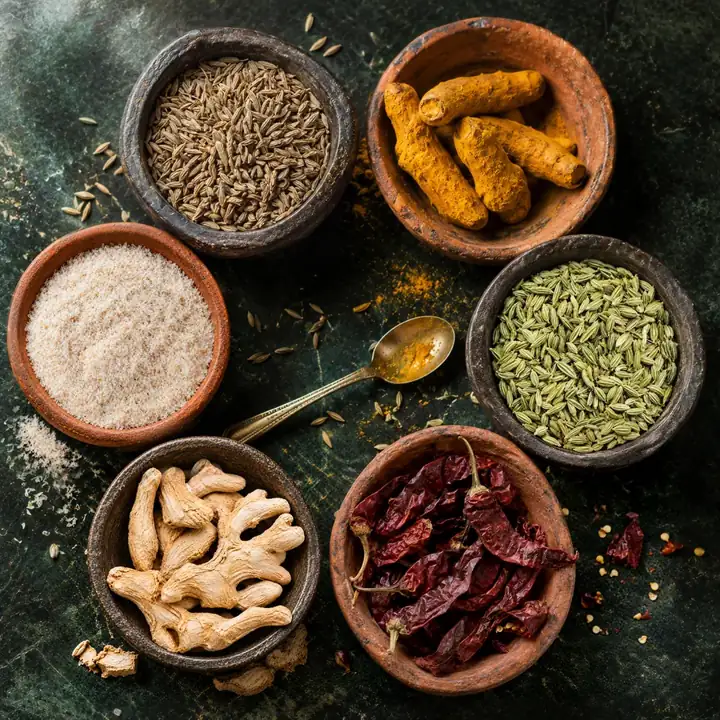
India supplies a large share of the world's cumin, chilli, turmeric, coriander, fennel and psyllium. If you are buying from India for the first time, this is how a typical export order works — and what to check at each step.
Step 1: Shortlist a registered exporter
Spice exporters in India must hold an Importer-Exporter Code (IEC) and a registration with the Spices Board of India. Ask for both, along with FSSAI licence and, for US shipments, the FDA food facility registration. A reliable supplier will share these without hesitation.
Step 2: Share your specification
Tell the exporter the product, grade (for example Sortex-cleaned or 99% purity), quantity, packing, destination port and any market-specific requirements such as EU pesticide limits, aflatoxin limits or steam sterilisation. A clear specification gets you a comparable quotation.
Step 3: Approve samples
Request a pre-shipment sample representing the actual lot, not a generic showroom sample. Test it in your own laboratory if possible. Once approved, keep a sealed counter-sample for reference.
Step 4: Agree price, Incoterms and contract
- FOB – the exporter delivers the goods on board at the Indian port (e.g. Mundra or Nhava Sheva); you arrange sea freight and insurance.
- CFR – the exporter also pays sea freight to your port.
- CIF – the exporter pays sea freight and marine insurance to your port.
The contract should state the specification, test methods, quantity tolerance, packing, shipment date, payment terms and what happens if the goods do not meet the specification.
Step 5: Choose payment terms
- Advance + balance against documents (T/T) – the most common for repeat business.
- Letter of credit (L/C) – bank-backed security for both sides, useful for first orders.
- Cash against documents (CAD/DP) – documents released through banks on payment.
Step 6: Processing, testing and stuffing
The exporter cleans and grades the lot, tests it in a laboratory, packs it as agreed and stuffs the container. Many buyers appoint an independent inspection agency to check quality and loading before the container is sealed.
Step 7: Documents you should receive
- Commercial invoice and packing list
- Bill of lading
- Certificate of origin (preferential origin where a trade agreement applies)
- Phytosanitary certificate
- Certificate of analysis for the lot
- Fumigation or health certificate when your country requires it
Step 8: Customs clearance at destination
Your customs broker files the import entry using the HS code — for example 0909 for cumin and coriander seeds or 1211 90 for psyllium husk — and the authorities may sample the goods. Clean documents and an accurate certificate of analysis make clearance faster.
Holy Spices handles the full chain from sourcing to container stuffing — field to FCL — with complete documentation. Send your requirement and we will reply within 4 working hours.
Frequently asked questions
What documents are needed to import spices from India?
Commercial invoice, packing list, bill of lading, certificate of origin, phytosanitary certificate and a certificate of analysis, plus fumigation or health certificates where the destination requires them.
What payment terms are common for spice imports from India?
Advance plus balance against documents by T/T, letter of credit, or cash against documents through banks.
How long does a spice export order take?
Standard grades usually ship about 2–3 weeks after order confirmation, plus sea transit time.